Hides and houses
 Shelves and ledges
 Foraging and toys
 Cage accessories
 Kits and bundles
 Fairy forest
 Spooky mischief
 Sweetie stash
 Game mode
 Forest floor
 Castles and cathedrals


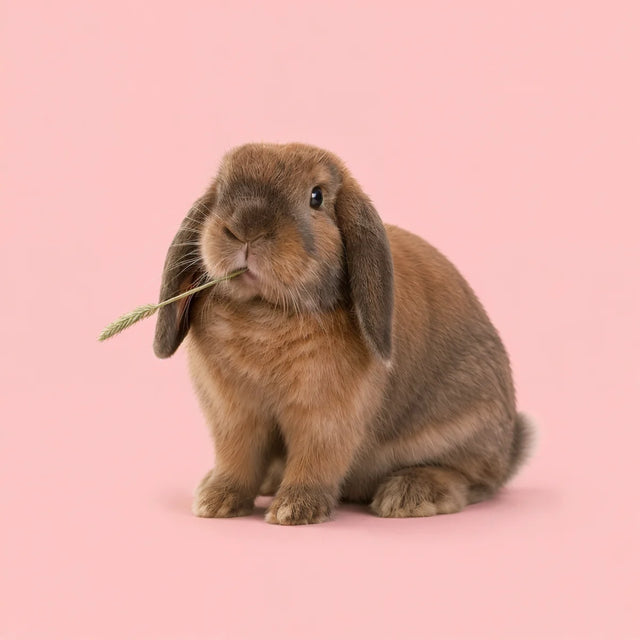
Rabbits can have a little artichoke now and then, but globe and Jerusalem artichoke are different plants. PDSA and the Rabbit Welfare Association & Fund list Jerusalem artichoke and its leaves as safe. House Rabbit Society lists globe artichoke and artichoke leaves. Give small, raw, plain pieces occasionally. Jarred artichoke hearts in oil or brine are a no.
| Safe? | Sometimes |
|---|---|
| How much | A small piece or a leaf or two |
| How often | Occasionally |
| Best served | Raw, plain, washed |
| Watch out for | Jarred hearts in oil or brine; mixing up the two plants |
Globe artichoke vs Jerusalem artichoke
These are not the same plant. Globe artichoke is the big thistle-like flower bud. Jerusalem artichoke is a knobbly root from a sunflower relative. The rabbit lists treat them separately.
| Plant or part | Listed as safe by | Our advice |
|---|---|---|
| Jerusalem artichoke root | PDSA; Rabbit Welfare Association & Fund (root vegetables) | A small piece, occasionally |
| Jerusalem artichoke leaves | PDSA | A leaf or two in the greens |
| Globe artichoke | House Rabbit Society (non-leafy vegetables) | A small piece of the outer leaf, occasionally |
| Artichoke leaves | House Rabbit Society | A leaf or two in the greens |
| Jarred, marinated or tinned hearts | None | No: oil, brine, vinegar and salt |
How much artichoke can a rabbit have?
Artichoke is a non-leafy vegetable, and House Rabbit Society suggests non-leafy vegetables total about 1 tablespoon per 2 lb (0.9 kg) of rabbit a day. Jerusalem artichoke is a starchy root, so we would treat it like the other roots: a small piece, occasionally. The Rabbit Welfare Association & Fund lists it among roots without giving a frequency, alongside carrot and parsnip, which it calls treats.
Why we say "sometimes"
Artichoke is on the safe lists, but only a few sources mention it, and none give amounts specific to artichoke. When the evidence is thin, we take the careful option: small amounts, raw and plain, occasionally, and only once your rabbit is used to fresh food.
How to give artichoke
- Wash it. PDSA says never feed unwashed fresh food, or anything that may have been sprayed.
- Start with a little. Add one new food at a time, as the Rabbit Welfare Association & Fund advises.
- Check droppings. Watch droppings, appetite and behaviour for a day or two before giving more.
If you grow Jerusalem artichokes, the leaves are the easier part to share: a leaf or two in the greens, from plants you have not sprayed.
What to offer instead
For everyday crunch, celery and fennel are on the safe non-leafy lists. Sweet roots such as parsnip are treats. See our rabbit food list, the rabbit diet guide and the rabbit care hub.
Questions owners ask
Can rabbits eat Jerusalem artichoke?
Yes, a small piece occasionally. PDSA and the Rabbit Welfare Association & Fund both list Jerusalem artichoke as safe, and PDSA includes its leaves.
Can rabbits eat globe artichoke leaves?
House Rabbit Society lists globe artichoke and artichoke leaves as safe. Give a small piece of an outer leaf now and then, raw and plain.
Can rabbits eat artichoke hearts from a jar?
No. Jarred and tinned hearts come in oil, brine or vinegar with salt, none of which suit a rabbit.
Can rabbits eat cooked artichoke?
Stick to raw, plain pieces. Cooked artichoke is usually served with butter, oil or dressing.